DR ABC – Explained
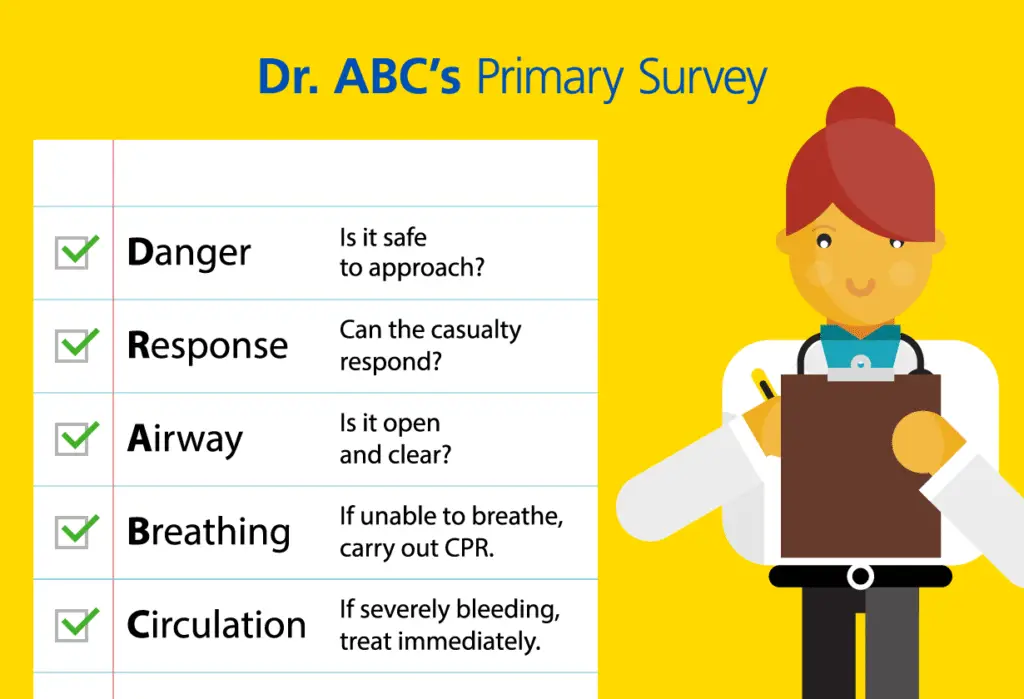
When you arrive at the scene of a collision, your first priority is to keep everyone safe and give help if needed.
The DVSA expects learners to know basic first-aid steps, but not to act like a paramedic.
Here’s the simple version for driving theory test learners
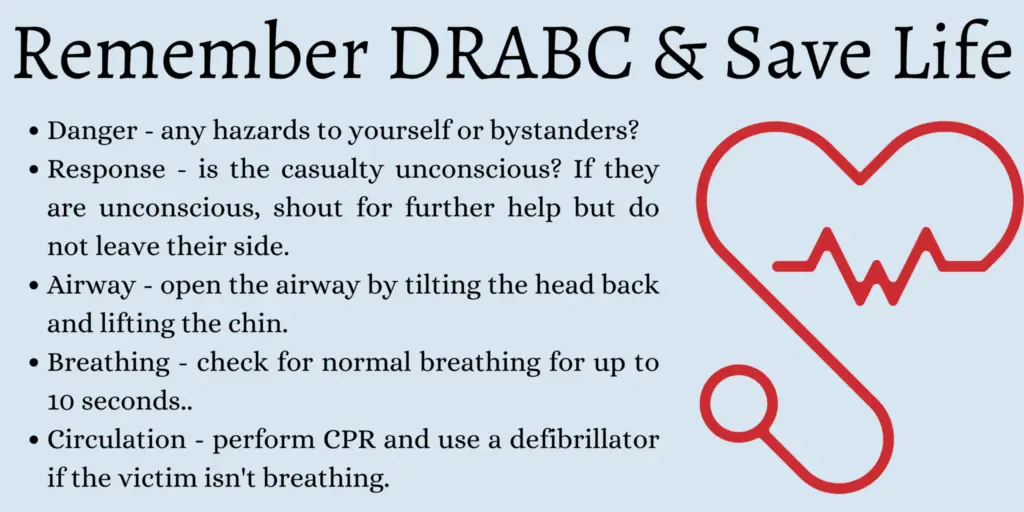
D – Danger
- Before you do anything, check for danger.
- Switch off your engine, put on hazard warning lights, and keep yourself safe from traffic, fire, or broken glass.
- Never put yourself at risk – you can’t help anyone if you become another casualty.
R – Response
- Check if the injured person is conscious.
- Gently ask, “Are you alright?”
- If they don’t respond, they may need urgent help.
A – Airway
- Make sure their airway is clear.
- If they are unconscious, gently tilt their head back and lift the chin – this stops the tongue blocking the airway.
B – Breathing
- Look, listen and feel for breathing for up to 10 seconds.
- Look for chest movement
- Listen for breathing sounds
- Feel for breath on your cheek
C – Circulation (or CPR if not breathing)
- If they are not breathing normally, call 999 immediately.
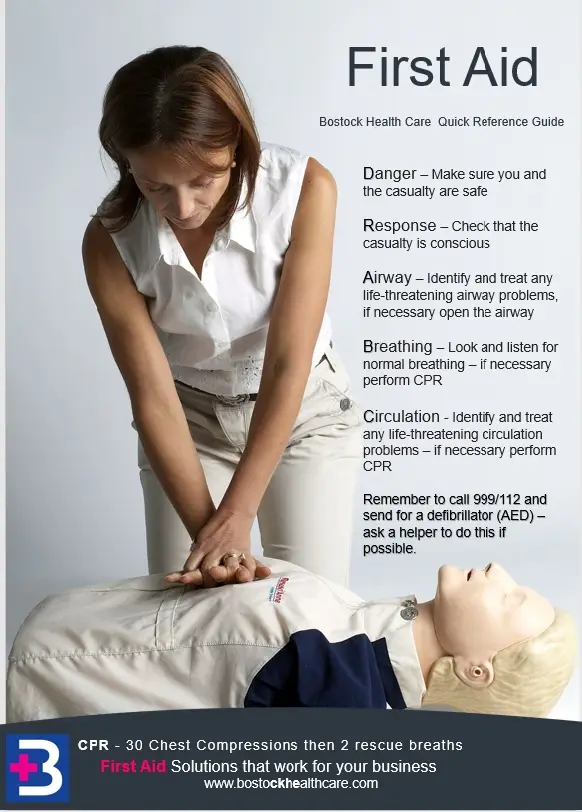
- Begin CPR:
- 30 chest compressions (in the centre of the chest)
- 2 rescue breaths (if trained and confident)
- If not confident, just keep going with chest compressions until help arrives.
✅ Extra points for the Driving Theory Test:
- Always call 999 as soon as possible.
- Don’t move a casualty unless they are in immediate danger (e.g. car fire).
- If a motorcyclist is involved, do not remove their helmet unless it’s essential to keep their airway open.
- Keep the casualty warm and calm until help arrives.
This way, DR ABC gives learners a step-by-step plan that’s easy to remember under stress, while fitting neatly into what the DVSA expects.