Understand Red Routes and Why They Matter
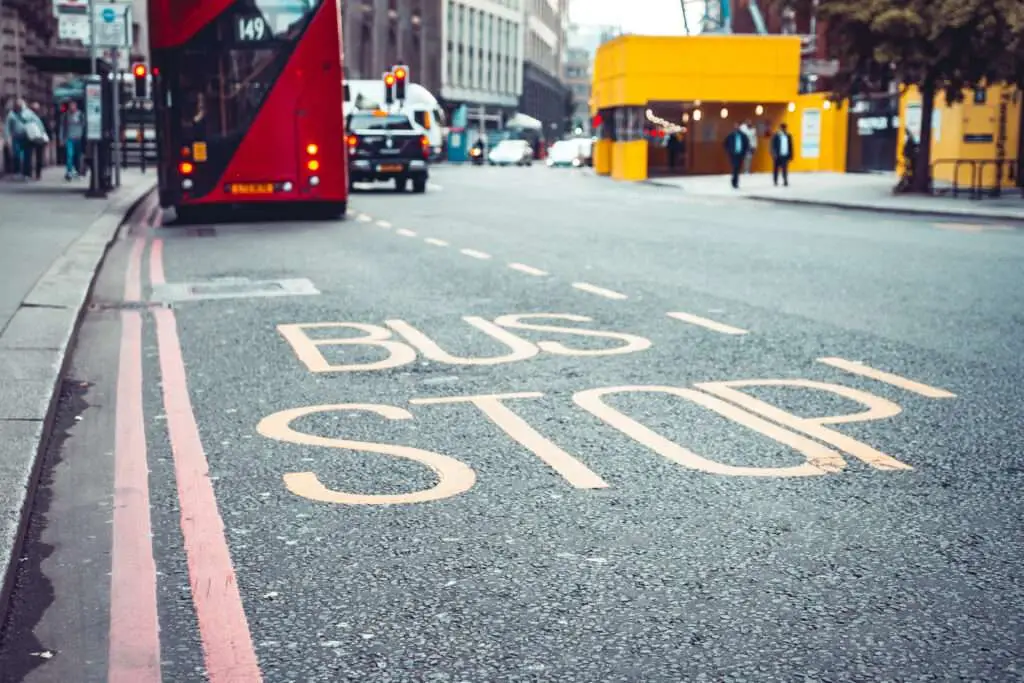
Most drivers are used to seeing white and yellow road markings, but fewer are familiar with red lines, also known as Red Routes.
What Are Red Routes?
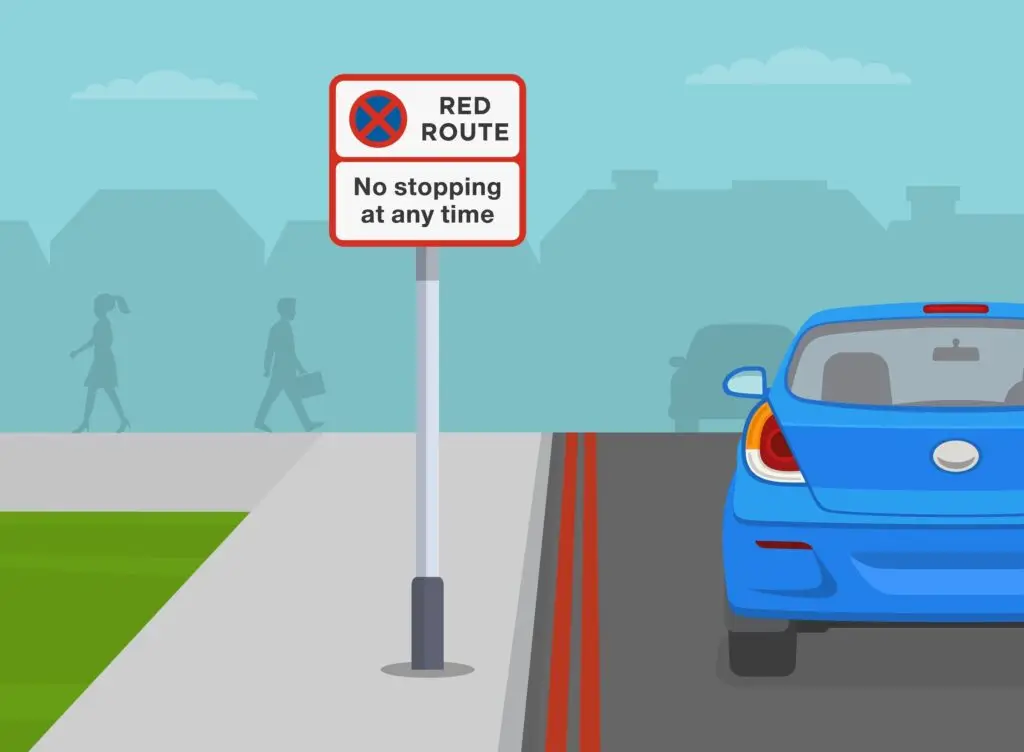
Red Routes were first introduced in 1991 to tackle traffic congestion in major UK cities, particularly London. These distinctive red lines — either single or double — run along the kerb and are there to keep traffic flowing smoothly. They’re commonly found in busy urban areas such as airports, hospitals, and city centres, where any form of stopping could cause serious disruption.
In essence, Red Routes are no-stopping zones. The law strictly forbids motorists from stopping, waiting, loading, or unloading along these stretches unless specific exemptions apply.
Why Red Routes Are Important
Red Routes play a key role in keeping traffic moving efficiently, especially in high-density areas like London, making them an important topic in the red routes theory test. Their main purposes are to:
- Prevent congestion by stopping vehicles from blocking busy roads.
- Ensure emergency access, allowing ambulances, fire engines, and police vehicles to reach their destinations quickly and safely.
By keeping these routes clear, traffic authorities can maintain a more reliable and consistent flow of vehicles across key transport corridors.
What You Can and Can’t Do on a Red Route
The basic rule is simple: don’t stop on a red line.
However, here’s a breakdown of what’s permitted and what’s not:
- No stopping or alighting (getting in or out of the vehicle) on a red route unless signs indicate otherwise.
- No parking on red lines painted on the verge, carriageway, or pavement.
- Check upright signs for specific times or exemptions — some routes allow limited stopping for loading or disabled access during certain hours.
The Rules in Detail
Double Red Lines
- Absolutely no stopping at any time — not for loading, unloading, waiting, or picking up passengers.
- Licensed taxis may stop only to drop off or pick up passengers.
- Blue Badge holders may stop briefly to help a disabled person get in or out of the vehicle.
- Penalties for breaking these rules can exceed £100.
Single Red Lines
- These indicate restrictions that apply only during certain hours, as shown on nearby signs.
- Outside those hours — often between 7 pm and 7 am, or all day on Sundays — stopping or parking is usually permitted.
- If additional restrictions apply, they’ll be clearly displayed on signs along the road.
Disabled Parking on Red Routes
- Blue Badge holders may stop only to assist a disabled passenger.
- Parking or waiting beyond that purpose is still prohibited unless specifically signed otherwise.
Penalties and Enforcement
Penalty Charge Notices (PCNs)
Motorists who break Red Route rules can receive a Penalty Charge Notice (PCN).
These are issued through:
- CCTV enforcement,
- Council parking officers, or
- Police traffic wardens.
Thousands of PCNs are issued each year for Red Route offences, reflecting how strictly these laws are enforced.
Parking Fines
- Fines typically range from £100 to £200.
- If you pay early (usually within 14 days), you’ll receive a 50% discount.
Red Route Signs and Clearways
Not all Red Routes have painted lines. Some are marked only with upright signs, known as Red Route Clearways – an important topic in the red routes theory test. These indicate that:
- Stopping is prohibited for any reason except in clearly marked lay-bys.
- Some clearways apply 24 hours a day, while others have specific time limits shown on the signs.
- Drivers entering a Red Route area from a side road will see red junction markings to alert them.
Red Route Parking Bays
Certain sections of Red Routes include marked parking or loading bays, identified by broken red or white lines. Each bay will have a sign showing when and how it can be used — for example, for loading only during specific hours or short-term parking under certain conditions, helping you prepare for the red routes theory test.
Always read the sign before stopping — failure to comply could lead to an instant fine.
Possible Theory Test Questions
What are Red Routes and why were they introduced?
Red Routes are specially designated traffic routes marked by red lines that were introduced in 1991 to reduce congestion and ensure smooth traffic flow in busy UK cities, especially London.
Why are Red Routes important for urban traffic management?
Red Routes are important because they prevent congestion, allow emergency vehicles quick access, and help maintain a reliable flow of traffic in high-density areas.
What actions are prohibited on Red Routes?
On Red Routes, stopping, waiting, loading, or unloading are strictly prohibited unless specified by signs, and parking is not allowed on red lines.
What are the rules regarding double and single Red Lines?
Double Red Lines mean no stopping at any time, except for specific exemptions like dropping off passengers with a licensed taxi or Blue Badge holders. Single Red Lines restrict stopping during certain hours, but stopping may be permitted outside those times.
What penalties do drivers face for infringements on Red Routes?
Drivers can be issued Penalty Charge Notices (PCNs), with fines typically ranging from £100 to £200, enforced through CCTV, parking officers, or police wardens, and discounts are available for early payments.