What is a Ford
What Is a Ford? A Classic Road Feature Every Trainee ADI Should Know
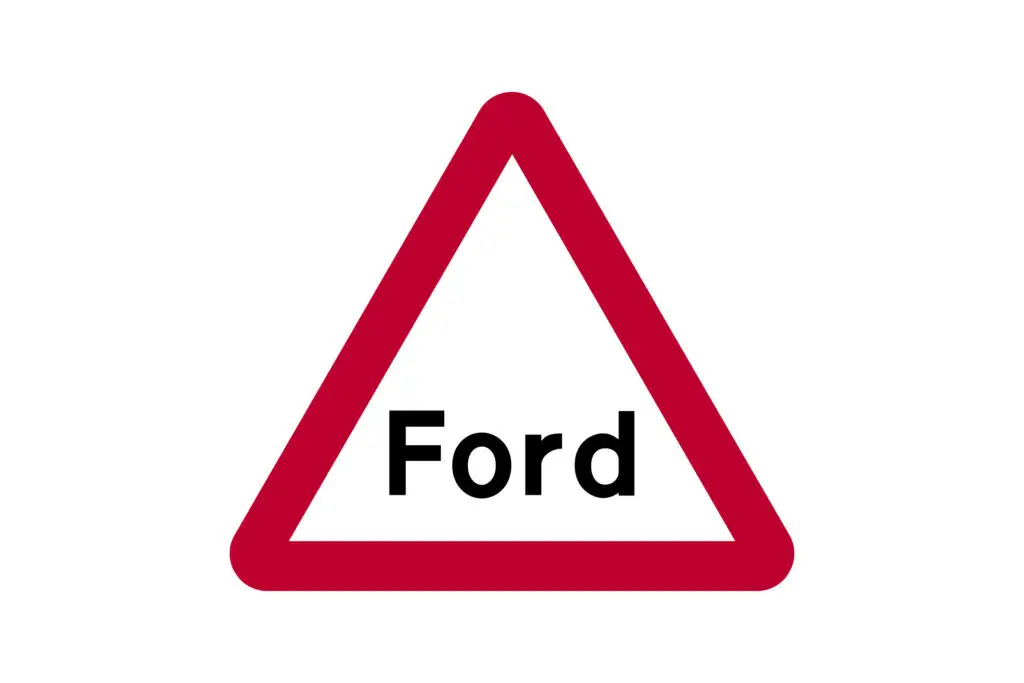
A ford is one of those wonderfully old-fashioned features of Britain’s rural road network that reminds us how motoring used to be before every trickling stream was domesticated with concrete bridges. In simple terms, a ford is a shallow section of a river or stream where the road passes directly through the water rather than over it. You’ll spot them thanks to the classic white-triangle warning sign marked FORD beneath it, often partnered by a depth gauge that looks like it’s been there since the days of Morris Minors.
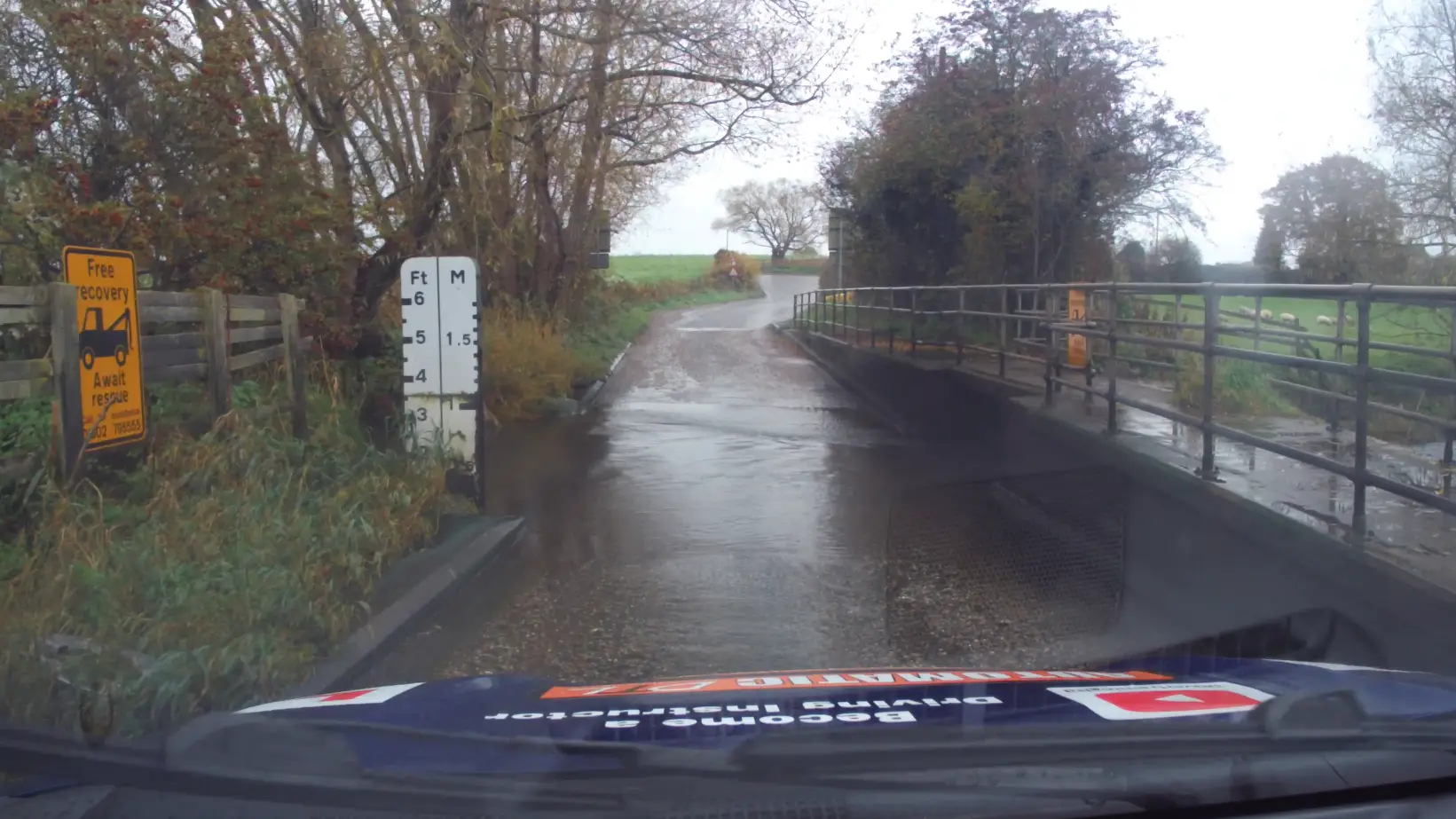
What is a ford? For ADI Part 1 revision, a ford is a small but meaningful topic—one that taps directly into safe driving, hazard perception, and the Highway Code’s guidance on unusual road features. The examiners aren’t interested in whether you can wax lyrical about countryside charm; they want to know that you understand risk. Before entering a ford, drivers must pause long enough to judge the water’s depth, speed, and the condition of the road beneath. It’s an ideal example of reading the road with care and respect, just as generations of drivers have done.
What is a ford in the context of British roads?
A ford is a shallow section of a river or stream where the road passes directly through the water, often marked by a warning sign and a water depth gauge.
What Is a Ford? Why is understanding fords important for ADI Part 1 revision?
Understanding fords is important because they involve assessing risk, reading the road conditions, and making safe driving decisions, all of which are key skills in safe driving and hazard perception.
What Is a Ford What is the proper technique for crossing a ford?
The proper technique is to select a low gear, maintain gentle momentum, avoid stopping in the water, and test the brakes afterwards to ensure they are dry and fully operational.
What should a driver do before driving through a ford?
A driver should assess the water’s depth and flow to determine if it’s safe to cross.
What Is a Ford What is a key hazard of driving through a ford after heavy rain?
Heavy rain can cause rapid changes in water depth and flow, making the ford more dangerous and increasing the risk of accidents.
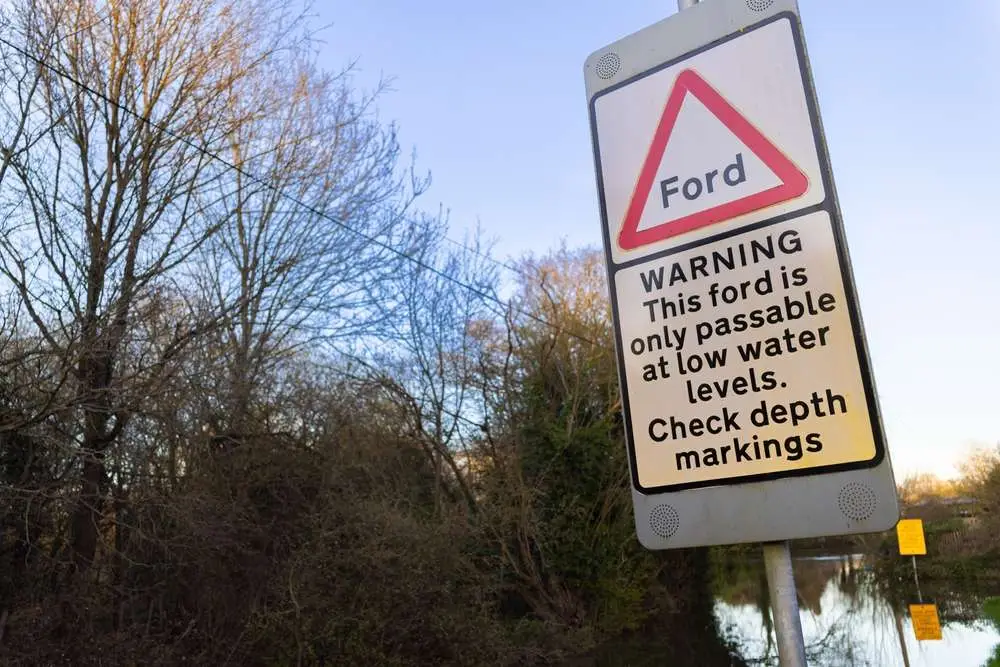
Fords call for a steady hand and a steady vehicle. Once you’ve judged the situation safe, the proper technique is timeless: select a low gear, maintain gentle momentum, and avoid stopping in the water. As soon as the vehicle clears the ford, it’s essential to test the brakes, drying them and restoring full stopping power. This sequence has remained unchanged for decades because it works—and it’s the kind of traditional, reliable method every instructor should be able to pass on confidently.
What Is a Ford?
A ford also teaches appreciation of how dramatically conditions can shift. In dry weather, many fords seem nothing more than damp gravel. After rain, they can transform rapidly—depth increasing, flow strengthening, and algae or silt creating a treacherously slippery surface. This plays straight into the theory test’s focus on hazard perception, weather awareness, and decision-making under changing road conditions.
More importantly, a ford is a perfect teaching moment for risk management, a skill that underpins the entire ADI qualification. Even though you’re revising Part 1’s knowledge requirements, the mindset you develop now carries forward into Parts 2 and 3. Observing, assessing, planning, and driving with mechanical sympathy—these skills connect modern training with the long-standing traditions of British motoring. The road may change, the cars may become more advanced, but good judgement never goes out of style.
ADI Part 1 Practice Questions on Fords
1. What does the “Ford” warning sign tell a driver?
A. There is a steep hill ahead
B. The road passes through a watercourse
C. There is a low bridge ahead
D. The road ahead is uneven
Correct answer: B
Explanation: The sign warns that the road crosses through shallow water, requiring extra caution.
2. Before driving through a ford, what should a driver do first?
A. Switch on full-beam headlights
B. Rev the engine hard before entering
C. Assess the depth and flow of the water
D. Drive through at high speed to avoid stalling
Correct answer: C
Explanation: Drivers must judge water depth and flow to ensure the crossing is safe.
3. After emerging from a ford, what should the driver do?
A. Accelerate hard to clear the engine
B. Test the brakes
C. Switch off the engine
D. Increase tyre pressure
Correct answer: B
Explanation: Lightly applying the brakes helps dry them and restores proper braking power.
4. Why can fords be particularly dangerous after heavy rain?
A. They attract more wildlife
B. Water depth can change quickly
C. Road markings disappear
D. Traffic lights often fail near water
Correct answer: B
Explanation: Heavy rainfall can quickly increase depth and speed of water, making a ford unsafe.
5. What mechanical risk does deep water at a ford pose to modern engines?
A. Overheating the coolant
B. Hydrolock from water entering the air intake
C. Excessive battery charging
D. Warping the clutch plate
Correct answer: B
Explanation: Water entering the air intake can cause catastrophic engine damage, known as hydrolock.