ADI Part 1 Practice: How to Pass the ADI Theory Test First Time

If you’re training to become an Approved Driving Instructor (ADI), passing the ADI Part 1 theory test Practice is your first major milestone. The key to success is consistent, high-quality ADI Part 1 practice using realistic questions, mock tests, and hazard perception training.
In this guide, we’ll explain what the ADI Part 1 test involves, why structured practice is essential, and how using the right online resources can dramatically improve your chances of passing first time.
What Is the ADI Part 1 Theory Test?

The ADI Part 1 test is the theory element of the Approved Driving Instructor qualification process. It is more advanced than the learner driver theory test and assesses your in-depth knowledge of:
- Road traffic law
- Advanced driving theory
- Instructional techniques
- Hazard perception for professional drivers
To pass, candidates must demonstrate not just memorisation, but real understanding—making ADI Part 1 practice tests absolutely essential.
Why ADI Part 1 Practice Is So Important
Many candidates underestimate the difficulty of the ADI theory test. Unlike the standard driving theory, the questions are more detailed and often scenario-based.
Regular ADI Part 1 theory practice helps you to:
- Become familiar with exam-style questions
- Identify weak knowledge areas early
- Improve speed and accuracy under test conditions
- Build confidence before the real exam
Without structured practice, even experienced drivers can struggle to reach the required pass mark.
Key Areas to Focus on When Practising ADI Part 1
Effective ADI Part 1 practice should cover all the official DVSA syllabus topics, including:
1. ADI Theory Questions
Practising hundreds of ADI theory test questions ensures you understand how questions are worded and what examiners are really testing.
2. ADI Mock Tests
Full-length ADI Part 1 mock tests simulate the real exam environment, helping you manage time and pressure.
3. ADI Hazard Perception Practice
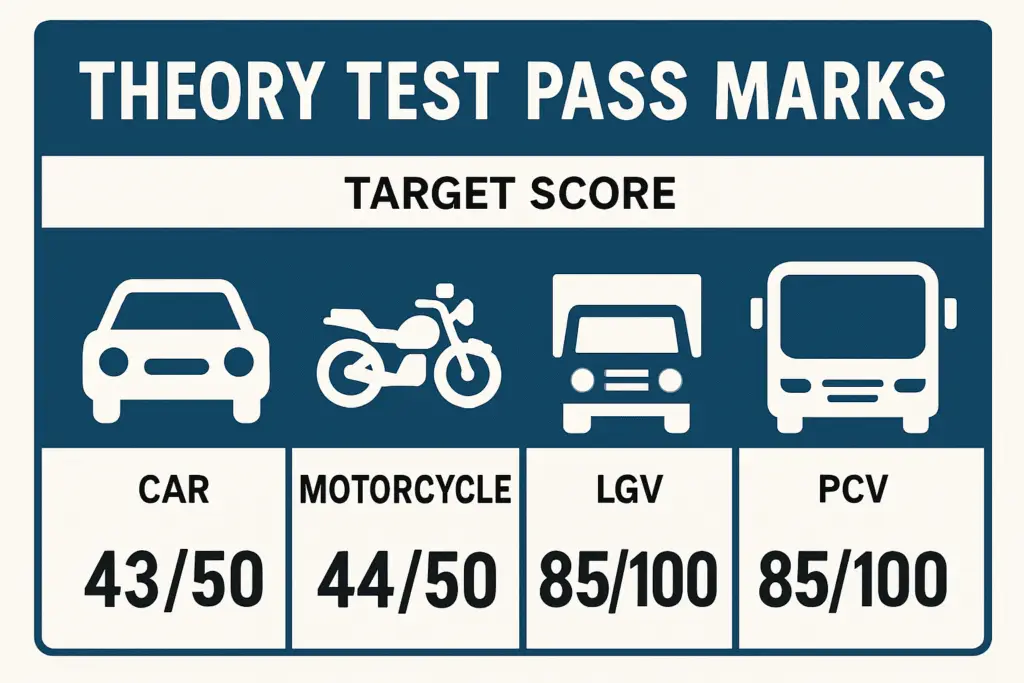
The hazard perception section requires a higher scoring threshold than the learner test, making ADI hazard perception practice vital.
4. Progress Tracking
Monitoring your scores helps you focus your revision where it matters most.
The Best Way to Practise for ADI Part 1 Online
Online learning has become the most effective way to prepare for the ADI theory test. A dedicated platform such as
/adi-theory
offers everything you need in one place.
With a specialist ADI training site, you can benefit from:
- Up-to-date ADI Part 1 practice questions
- Unlimited ADI mock tests
- Realistic hazard perception clips
- Study anytime, anywhere on any device
Using a focused ADI theory platform saves time and ensures your practice is aligned with the real test.
How Long Should You Practise for ADI Part 1?
Most successful candidates spend 2–4 weeks doing daily ADI Part 1 practice. Short, regular sessions are far more effective than cramming.
A good routine includes:
- Daily theory question practice
- Weekly full ADI mock tests
- Regular hazard perception training
Consistency is the biggest factor in passing first time.
Pass ADI Part 1 with Confidence
Passing the ADI Part 1 theory test is a crucial step towards becoming a qualified driving instructor. With the right approach and plenty of structured ADI Part 1 practice, you can dramatically improve your chances of success.
For comprehensive, exam-focused preparation, visit:
👉 /adi-theory
Start practising today and take the first confident step toward your ADI qualification.
What is the ADI Part 1 Theory Test and what does it assess?
The ADI Part 1 theory test is a component of the Approved Driving Instructor qualification process that evaluates your knowledge of road traffic law, advanced driving theory, instructional techniques, and hazard perception for professional drivers.
- What Is the ADI Part 1 Theory Test?: It is the theory part of the ADI qualification, testing knowledge of road law, advanced driving, instructional techniques, and hazard perception.
- Importance of ADI Part 1 Practice: Regular practice helps familiarize candidates with exam questions, improve speed and accuracy, identify weaknesses, and build confidence.
- Key Areas to Focus on for Preparation: Practice theory questions, complete mock tests, improve hazard perception skills, and monitor progress for comprehensive preparation.
- Best Online Practice Resources: Dedicated platforms like drivertrainingtheory.co.uk offer up-to-date questions, unlimited mock tests, realistic hazard clips, and flexible study options.
- Ideal Practice Duration and Routine: Most candidates benefit from 2–4 weeks of daily practice, involving questions, mock exams, and hazard perception to maximize their chances of passing.
Why is practicing for the ADI Part 1 test so important?
Practicing regularly helps you become familiar with exam-style questions, identify your weak areas early, improve your speed and accuracy during the test, and build confidence to achieve a high pass rate.
What are the key areas to focus on when preparing for the ADI Part 1?
Focus on practicing ADI theory questions, completing mock tests, hazard perception training, and tracking your progress to ensure well-rounded preparation.
What is the best way to practice for the ADI Part 1 online?
Using a dedicated online platform like drivertrainingtheory.co.uk allows you to access up-to-date practice questions, unlimited mock tests, realistic hazard perception clips, and study flexibility from any device.
How long should I practice daily for the ADI Part 1?
Most candidates find that spending 2 to 4 weeks with daily practice, including questions, mock tests, and hazard perception training, maximizes their chances of passing first time.