At a crossroads there are no signs or road markings – who has priority?
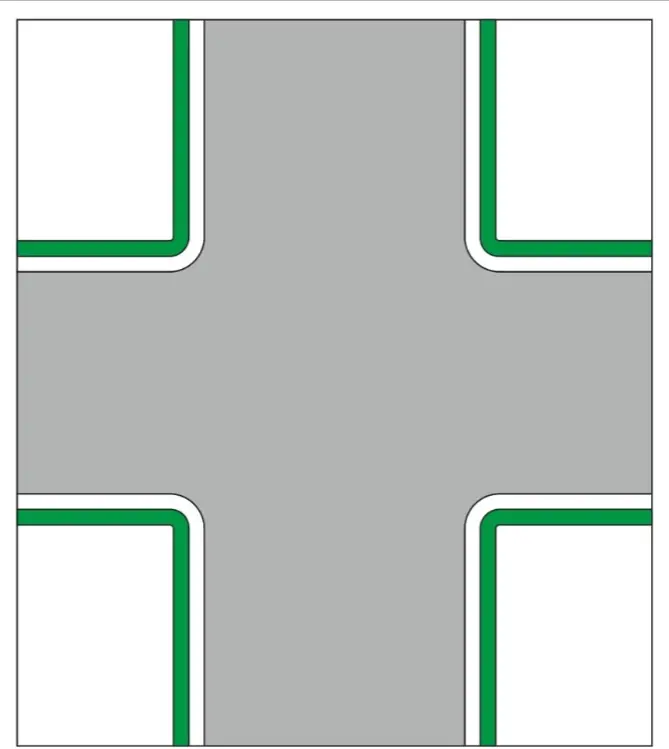
At a crossroads with no signs or markings (so no give way lines, no stop signs, no traffic lights): Every driver must approach with caution, be prepared to stop, and negotiate with other road users. Understanding this situation is crucial as many drivers may underestimate the importance of caution in these scenarios, potentially leading to dangerous situations. The lack of signage can create confusion, so always remember that you are not alone on the road and that other drivers may be unsure of their actions as well. This is not merely a matter of following rules but of ensuring safety for everyone involved.
At a crossroadshttps://www.drivertrainingltd.com there are no signs or road markings – who has priority?
Every driver must approach with caution, be prepared to stop, and negotiate with other road users. In practice, that means:
At a crossroads there are no signs or road markings – who has priority?
- Slow down early.
- Look in all directions.
- Make eye contact with other drivers if possible.
- Be ready to give way, even if you think you’ve “arrived first.”
This is part of the Highway Code principle: “Nobody has priority unless it’s clearly given by signs, markings, or signals.”
At a crossroads there are no signs or road markings – who has priority?
At a crossroads there are no signs or road markings – who has priority?:
“At an unmarked crossroads, nobody has priority. You can’t assume other drivers will stop for you. Think of it like a game of patience – whoever approaches with care and gives way where needed keeps things safe. Always be ready to let the other driver go first.
BACK TO ALL DIFFUCULT THEORY TEST QUESTIONS EXPLAINED
When approaching an unmarked crossroads, it is essential to adopt a defensive driving mindset. This means not only being aware of your surroundings but also anticipating the actions of other drivers. For instance, if you see a vehicle approaching from your right, don’t assume they will yield to you. Instead, prepare to stop and assess the situation. Additionally, consider the speed and size of other vehicles; a large lorry may require more space to manoeuvre compared to a compact car. Understanding these dynamics can significantly enhance road safety.
The key to navigating unmarked crossroads is communication. While vehicles do not come with built-in signals to indicate intentions, you can use eye contact or hand gestures to convey your plans. For instance, if you are waiting at the crossroads and make eye contact with another driver, they may feel more confident about proceeding. This mutual understanding can prevent accidents and enhance the flow of traffic.
Moreover, consider the time of day and weather conditions when approaching these intersections. Poor visibility due to fog or heavy rain can obscure your view of other vehicles, making it even more critical to slow down and be vigilant. Take extra time to assess the situation before proceeding, and don’t hesitate to stop if you are unsure of another driver’s intentions.
In summary, at a crossroads there are no signs or road markings – who has priority? The answer is simple: nobody has priority. Always approach these intersections with caution, be prepared to yield, and communicate with other drivers. Remember, the road is a shared space, and safety should always be the top priority. As you navigate these situations, keep the mantra of defensive driving in mind: observe, assess, and act with care.
It’s also important to discuss the psychological aspect of driving at crossroads. The uncertainty of who has priority can lead to anxiety for many drivers. To combat this, practice makes perfect. Familiarising yourself with various driving scenarios can build confidence. Consider taking a defensive driving course or participating in simulated driving conditions to enhance your skills in these situations.
Additionally, pedestrians and cyclists may also be navigating these unmarked areas. Always be on the lookout for them, as they may not have the same visibility as vehicles and may require your attention and caution. By being considerate of all road users, you’ll contribute to a safer environment for everyone.