Motorway Studs and Their Colours
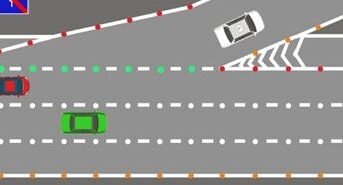
Introduction to Motorway Studs
When you’re cruising along a motorway—especially at night or during heavy rain—it’s the small things like motorway studs and their colours that silently keep you safe. These tiny reflective markers, often called “cat’s eyes,” help drivers stay in their lanes, judge road layouts, and make well-informed decisions during challenging driving conditions.
Motorway studs play a huge role in road safety, and knowing what each colour means can make your journey smoother and safer.
What Are Motorway Studs?
Motorway studs are raised or embedded reflective devices placed between lane markings. They bounce light back to the driver, helping them see the road layout even when visibility is poor.
You’ll see them on:
- Major motorways
- Dual carriageways
- A-roads
- Slip roads
- Temporary diversion routes
They’re especially helpful at night, in fog, heavy rain, or on unfamiliar routes.
Why Colour-Coded Studs Matter
Each stud colour gives drivers a message. Understanding these colours helps you:
- Stay in the correct lane
- Avoid drifting into restricted areas
- Recognize junctions and exits early
- Respond quickly during poor visibility
Motorway studs and their colours are essential for safe, confident driving.
The Meaning Behind Motorway Stud Colours
Understanding motorway stud colours is simple once you know the rules. Every colour has a specific purpose that improves safety and navigation
White Studs: Standard Lane Markers
White studs are the most common. They indicate the lanes on the carriageway and separate:
- Individual traffic lanes
- Edge of the main carriageway (in some sections)
You’ll follow these most of the time while driving.
Red Studs: Hard Shoulder Boundary
Red studs mark the left-hand edge of the motorway, showing the boundary with the hard shoulder.
They’re a warning that:
- You must stay out of the shoulder
- It’s for emergencies only (unless signs say otherwise)
Seeing red studs on your right means you’ve drifted!
Amber Studs: Central Reservation
Amber studs run along the right-hand side of the carriageway, separating the motorway lanes from the central reservation.
They help drivers:
- Stay safely away from the median
- Know when they’re too close to the central barrier
Green Studs: Exits, Slip Roads & Lay-Bys
Green studs highlight the entry and exit points, such as:
- Slip roads
- Lay-bys
- Emergency refuge areas
- Bifurcation lanes
If you see green studs, it often means an exit or joining point is ahead.
Green/Yellow Studs: Temporary Road Works
These two-tone studs guide drivers through road works or temporary diversions.
They are:
- Bright
- Highly visible
- Used to replace standard studs temporarily
These studs help keep drivers safe in fast-changing environments.
How Motorway Studs Improve Road Safety
Motorway studs help reduce accidents by:
- Providing clear lane guidance
- Enhancing visibility during bad weather
- Preventing drivers from drifting across lanes
- Alerting drivers to upcoming exits or restricted areas
Research shows they can reduce nighttime accident rates significantly because they improve reaction time and visual clarity.
Motorway Stud Regulations and Standards
Motorway studs must meet strict standards set by road safety authorities. In the UK, these include:
- BS EN 1463 certification
- Durability testing
- Skid-resistance and reflectivity requirements
Maintenance teams inspect and replace studs as needed to ensure their reflectivity remains effective.
New Innovations in Motorway Studs
Modern road studs go far beyond simple reflectors.
Solar-Powered Studs
These store energy during the day and shine bright LEDs at night.
Intelligent Studs
Used in smart motorways, these can:
- Flash to warn drivers
- Signal lane closures
- Highlight hazards
They’re part of the future of safer highways.
Common Driver Mistakes When Interpreting Stud Colours
Even experienced drivers sometimes misinterpret motorway studs.
Mistake 1: Confusing Amber and Green
Amber = central reservation
Green = slip roads and exits
Mistake 2: Ignoring Red Studs
Red studs show the hard shoulder.
If you see red to your right, move back safely.
Frequently Asked Questions (FAQs)
1. What do red motorway studs mean?
They mark the hard shoulder boundary on the left side of the motorway.
2. Which colour shows the central reservation?
Amber studs mark the central reservation.
3. What do green motorway studs indicate?
They show slip roads, lay-bys, and exits.
4. Are motorway stud colours the same worldwide?
Not always. Colours may differ internationally, but the UK uses a strict colour system.
5. What do green/yellow studs mean?
They indicate temporary road works or diversions.
6. Why are motorway studs reflective?
They use retroreflective technology to return light from your headlights back to your eyes.