No Waiting Sign
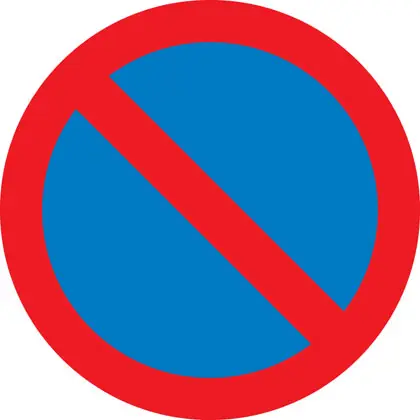
What Does the “No Waiting” Sign Mean?
If you’re learning to drive, you’ll quickly discover that not all road signs are created equal. Some give you freedom, some give you limits, and then there’s the one that confuses many learners: the “No Waiting” sign.
The importance of understanding road signs cannot be overstated, especially for learner drivers. Mastering signs like the No Waiting Sign helps in making informed decisions that enhance road safety. As learners, it is crucial to recognise how different signs manage traffic and prevent potential hazards.
Let’s break it down so you’ll never be caught out.
No Waiting Sign The Sign Itself
The “No Waiting” sign is a blue circle with a red border and a single diagonal red line. It looks very similar to the “No Stopping” sign, but here’s the key difference:
- No Stopping has a red cross.
- No Waiting has just one red line.
Think of it this way: one line means one restriction (waiting). A red cross means everything is banned.
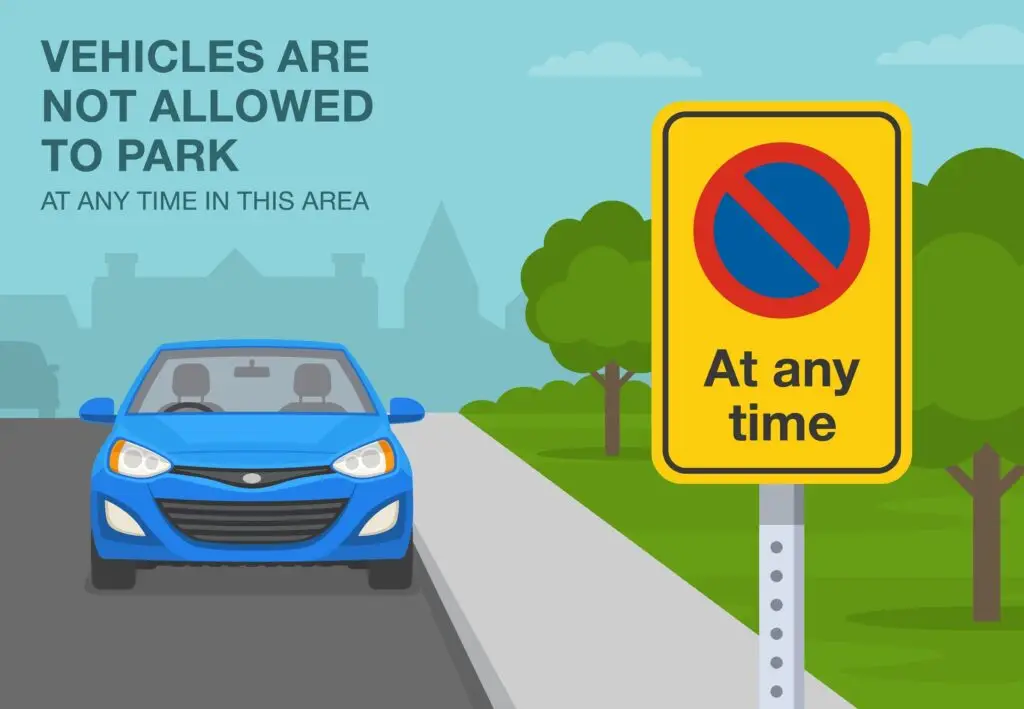
What “No Waiting” Really Means
When you see a No Waiting sign, you cannot park or wait in that area.
But here’s the important part:
- You can stop briefly to pick up or set down passengers.
- You can stop to load or unload, if there aren’t extra restrictions shown.
Understanding the No Waiting Sign also prepares learners for real-world driving situations. Imagine pulling up outside a busy shop to drop off a friend. Recognising that you can only stop briefly prevents unnecessary fines and promotes a smoother traffic flow.
You cannot, however:
- Sit there with the engine running while you wait for someone.
- Leave your vehicle unattended.
No Waiting Sign Time Plates Matter
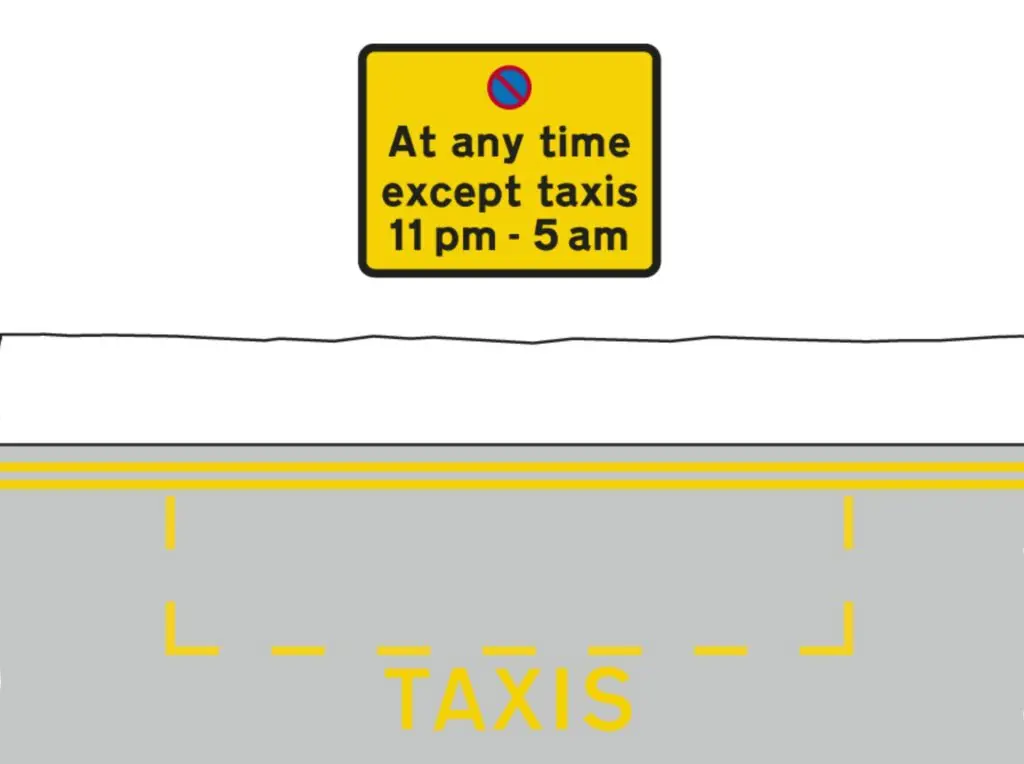
Sometimes the sign comes with an extra plate underneath telling you when the rule applies.
For example:
- “Mon–Fri, 8–6 pm” → the restriction only applies during those times.
- No extra plate? → the rule applies at all times.
Always check — the detail makes the difference.
No Waiting Sign Where You’ll See It
It’s essential to recognise the signs’ variations depending on the area. For example, some urban areas may have stricter regulations regarding waiting times, so always remain vigilant and informed.
You’ll usually find No Waiting signs in places where parked vehicles would create hazards or block traffic. Common examples include:
- Busy urban roads.
- Near junctions where waiting would reduce visibility.
- Alongside yellow single or double lines:
- Single yellow line = no waiting at certain times (look for signs).
- Double yellow line = no waiting at any time.
No Waiting Sign Penalties if You Ignore It
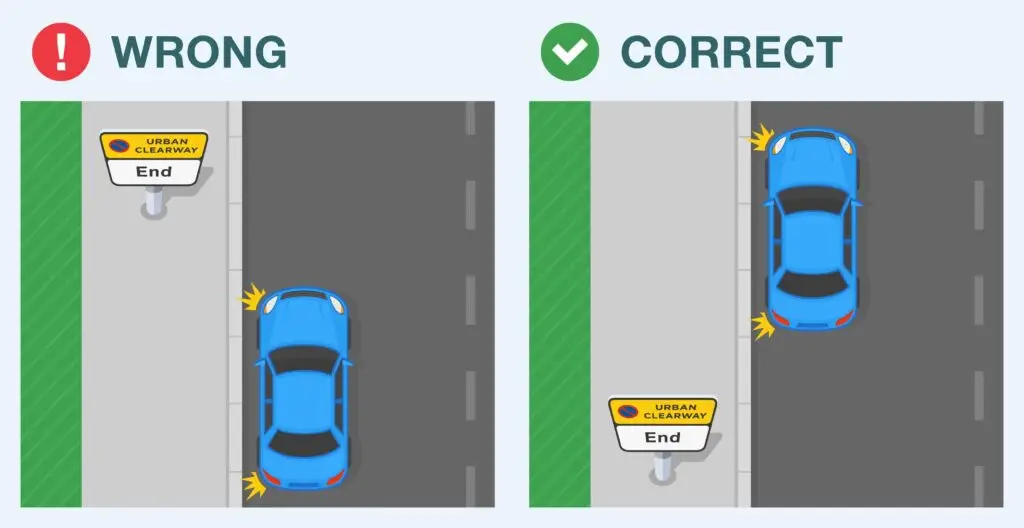
If you park or wait where you shouldn’t, you could face:
- A Penalty Charge Notice (fine).
- A fine through the post, especially in areas monitored by CCTV.
- In some cases, clamping or towing if you’re causing obstruction.
No Waiting Sign Top Tips for Learner Drivers
- Learn the difference – Red cross = No Stopping. Single line = No Waiting.
- Always check for signs – Look for any extra time plates.
- Think “quick stop, not linger” – Dropping off is fine, sitting and waiting is not.
- Respect yellow lines – They work hand in hand with No Waiting rules.
No waiting sign explained
“No Waiting” doesn’t mean you can never stop. It means you must keep it brief. Drop off, pick up, load, unload, and then move on. This understanding is pivotal in ensuring compliance with road regulations.
Master this rule and you’ll avoid fines, drive with confidence, and show your examiner that you understand exactly how the Highway Code keeps traffic flowing safely.
For clarity, it can also be helpful to refer to local council websites that explain specific regulations regarding waiting signs in different areas. This could prevent misunderstandings and potential fines.
Additionally, consider the environmental impact of waiting. By keeping stops brief, we contribute to reducing air pollution and enhancing the overall driving experience for everyone on the road.
In summary, understanding concepts such as the No Waiting Sign is not just about following rules; it’s about cultivating a responsible attitude towards driving. This attitude will not only aid in passing driving tests but will also promote safer roads for all.
For a comprehensive understanding of driving rules, check out our extensive library of resources. Knowing the nuances of road signs like the No Waiting Sign will empower you as a driver, ensuring that you navigate the roads with confidence and respect.
The journey to becoming a skilled driver is filled with learning opportunities. The No Waiting Sign is just one of many signs that you’ll encounter. Each sign has its unique purpose and understanding them will enhance your driving experience.