School crossing patrols
School crossing patrols significantly reduce the risks children face when crossing busy streets.
The presence of school crossing patrols is a reminder for drivers to slow down and stay alert.
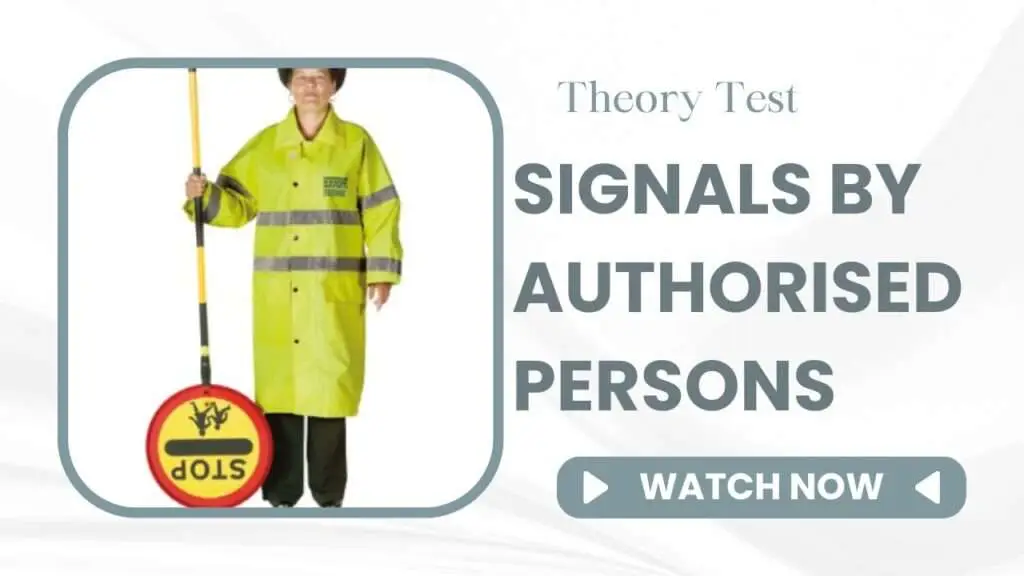
1. Not ready to cross pedestrians
When the school crossing patrol stands on the pavement holding the stop sign down by their side, it means pedestrians are not yet ready to cross. At this stage, the patrol is simply monitoring the situation — perhaps waiting for a safe moment or for more children to gather. Drivers should continue as normal, keeping an eye on the patrol in case their signal changes. There’s no need to slow down unless the patrol steps forward or raises the sign.
Community support for school crossing patrols can enhance their effectiveness and overall impact.
School crossing patrols are essential for ensuring children’s safety while crossing roads.
These school crossing patrols must be supported by the local community to thrive and function effectively.
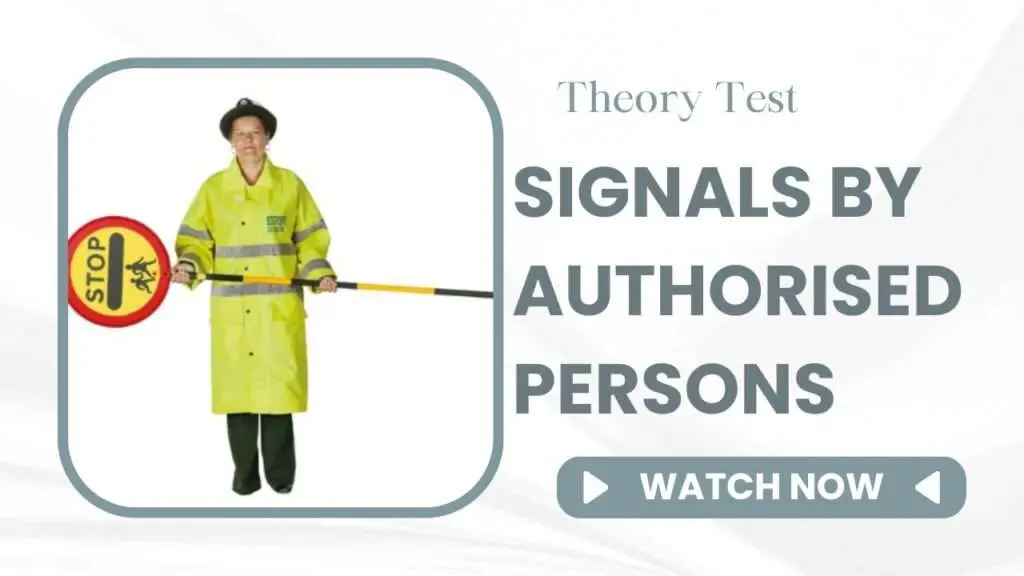
2. Barrier to stop pedestrians crossing
In areas with heavy traffic, school crossing patrols play a crucial role in managing pedestrian safety.
When the patrol steps slightly forward and holds the sign horizontally, positioned between themselves and the pedestrians, it acts as a clear barrier. This signal tells pedestrians to stay on the pavement and not attempt to cross yet. For drivers, it means the patrol is preparing to stop traffic soon, so they should approach carefully and be alert for further signals.
School crossing patrols are trained to handle various traffic situations to protect children effectively.
3. Ready to cross pedestrians – vehicles must be prepared to stop
When the patrol raises the sign vertically so it faces approaching traffic, it signals that pedestrians are ready to cross. Drivers must be prepared to stop, even if the patrol has not yet stepped into the road. This is a warning stage — the patrol is checking that traffic is slowing and that it’s safe to move into the road to stop vehicles completely. Attentive drivers will begin easing off the accelerator and covering the brake.
School crossing patrols are key in fostering a culture of safety among young pedestrians.
When observing school crossing patrols in action, it’s clear they provide invaluable assistance to young pedestrians.
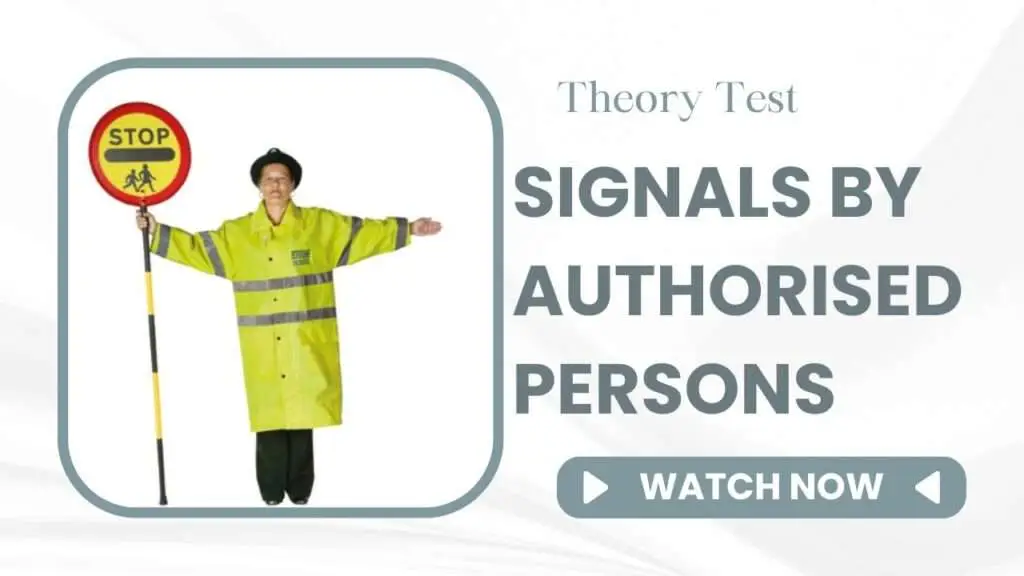
4. All vehicles must stop
Effective communication from school crossing patrols helps to alert both drivers and pedestrians about potential hazards.
When the patrol stands fully in the road holding the stop sign upright and clearly visible to drivers, it means all traffic must stop. This command gives pedestrians the right of way to cross safely. Drivers must remain stationary until the patrol steps back onto the pavement and lowers the sign. Moving off too soon is both dangerous and illegal — drivers should wait until the patrol has clearly indicated that it’s safe to continue.
School crossing patrols ensure that children have a safe route to and from school every day.
Proper training for school crossing patrols is essential to ensure their effectiveness and the safety of all road users.
School crossing patrols help create a safer environment for children to travel in their neighbourhood.
Observing school crossing patrols can educate drivers on the importance of being vigilant in school zones.
What does it mean when the school crossing patrol is holding the stop sign down by their side?
When the patrol is holding the stop sign down by their side, it means pedestrians are not yet ready to cross and the situation is being monitored.
When the patrol is holding the stop sign down by their side, it means pedestrians are not yet ready to cross and the situation is being monitored.

How should drivers behave when the crossing patrol is preparing to stop traffic by holding the sign horizontally?
Drivers should approach carefully and be alert for further signals, as the patrol is preparing to stop all traffic soon.
What does it indicate when the school crossing patrol raises the sign vertically towards approaching traffic?
It indicates that pedestrians are ready to cross and drivers must be prepared to stop, even if the patrol hasn’t yet entered the road.
What is the significance of the school crossing patrol standing fully in the road and holding the stop sign upright?
It means all vehicles must stop to allow pedestrians to cross safely, and drivers should wait until the patrol signals it’s safe to move again.
Why is it important for drivers to wait until the crossing patrol lowers the stop sign and steps back onto the pavement?
Because moving off too soon is dangerous and illegal; drivers must wait for the patrol’s clear signal that it is safe to continue.