What’s the Difference Between a Clearway or Urban Clearway and an Urban Clearway?
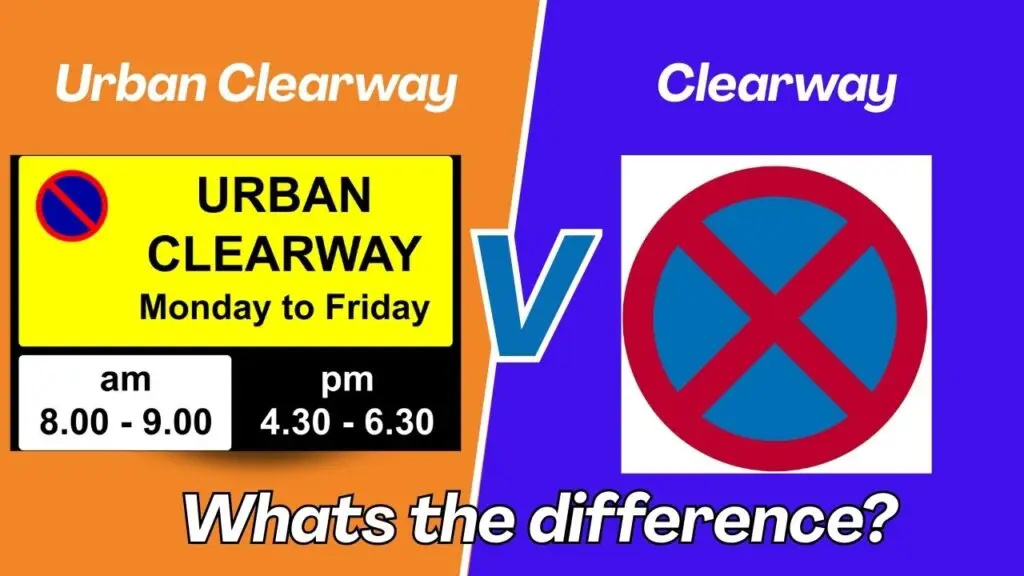
If you’re revising for your UK driving theory test, you’ll almost certainly come across questions about Clearway or Urban Clearway. At first glance, the names sound similar – and that’s exactly why so many learners get caught out. Knowing the differences between Clearway or Urban Clearway is crucial not just for passing your test but for ensuring safety on the roads. Understanding these rules can save you both marks on your test and fines on the road. Let’s delve deeper into each type of clearway, exploring their purposes, regulations, and implications for drivers. The distinctions between Clearway or Urban Clearway will become clear.
Let’s break it down.
Understanding the Importance of Clearway or Urban Clearway
Understanding traffic regulations is vital for any driver, especially those preparing for their theory test. Clearways and urban clearways are essential concepts that help maintain the flow of traffic, particularly in busy areas. Knowing when and where these restrictions apply can prevent costly errors or dangerous situations. Let’s explore these concepts more thoroughly.
It is important to remember the significance of Clearway or Urban Clearway in managing road traffic effectively. These regulations help maintain order, particularly in busy areas.
Difference between urban clearway and clearway – What is a Clearway?
A Clearway is a section of road where stopping is not allowed at any time, except in an emergency. This regulation is crucial for keeping major roads and thoroughfares clear of obstructions. Stopping can lead to traffic jams and accidents, which is why a clearway serves such an important function in road safety.
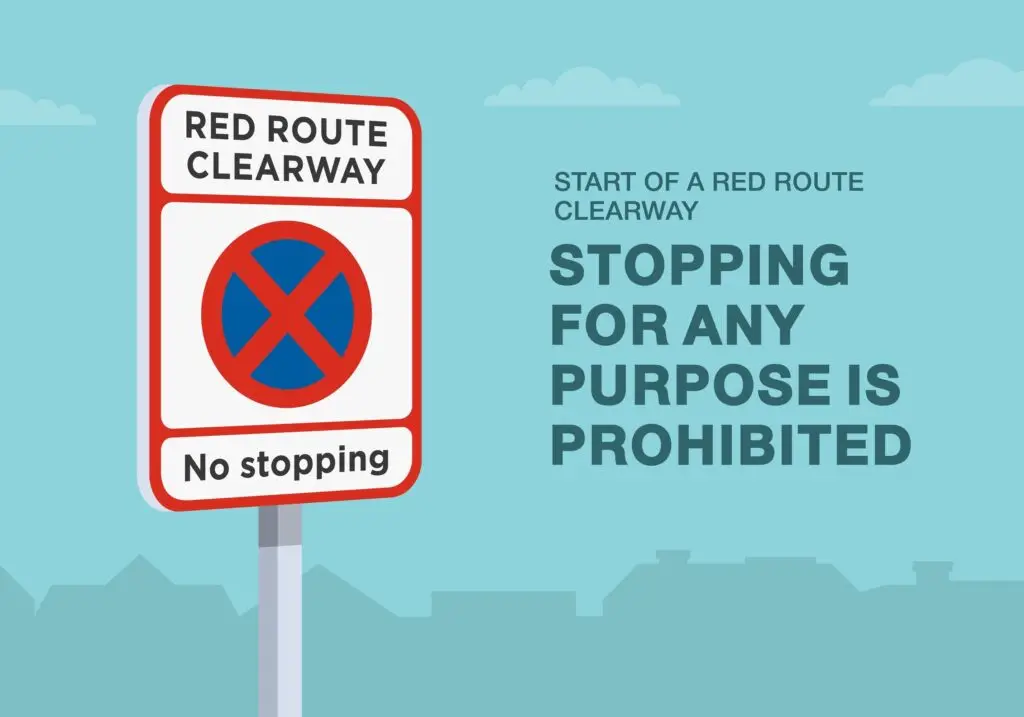
- The sign: A blue circle with a red border and a red diagonal cross (X).
- The rule: No stopping, no parking, no dropping off, no excuses.
- When it applies: Usually 24 hours a day, 7 days a week, unless a time plate states otherwise.
The significance of this rule cannot be overstated. For instance, if a vehicle stops in a clearway, it can cause a ripple effect, leading to significant delays for other drivers. Imagine a busy rush hour when even a single stopped vehicle can lead to gridlock. This is why clearways are typically enforced on major roads. They are designed to facilitate the smooth flow of traffic, ensuring that vehicles can navigate through these busy areas without interruption.
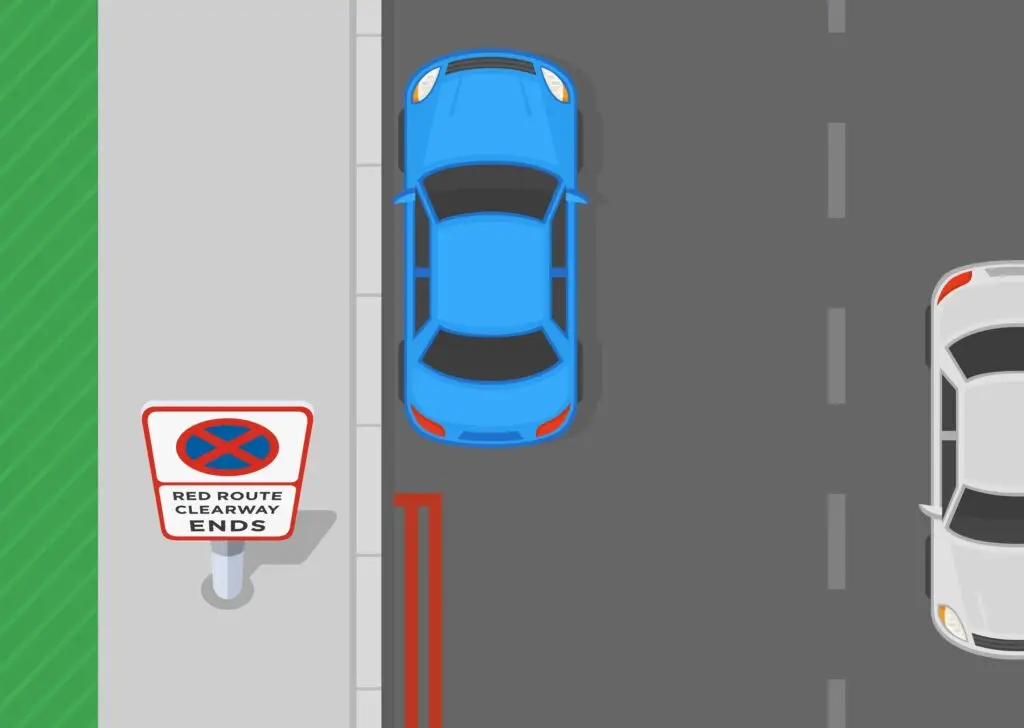
Clearways are typically found on major roads where any stopped vehicle would cause congestion or danger.
Think of it this way: Clearway = keep the road clear at all times.
Clearways are usually marked with a specific sign: a blue circle with a red border and a red diagonal cross (X). Drivers must pay close attention to this signage, as it indicates that stopping is prohibited. Understanding these signs is vital for any driver, as ignorance can lead to fines and penalties.
What is an Urban Clearway?
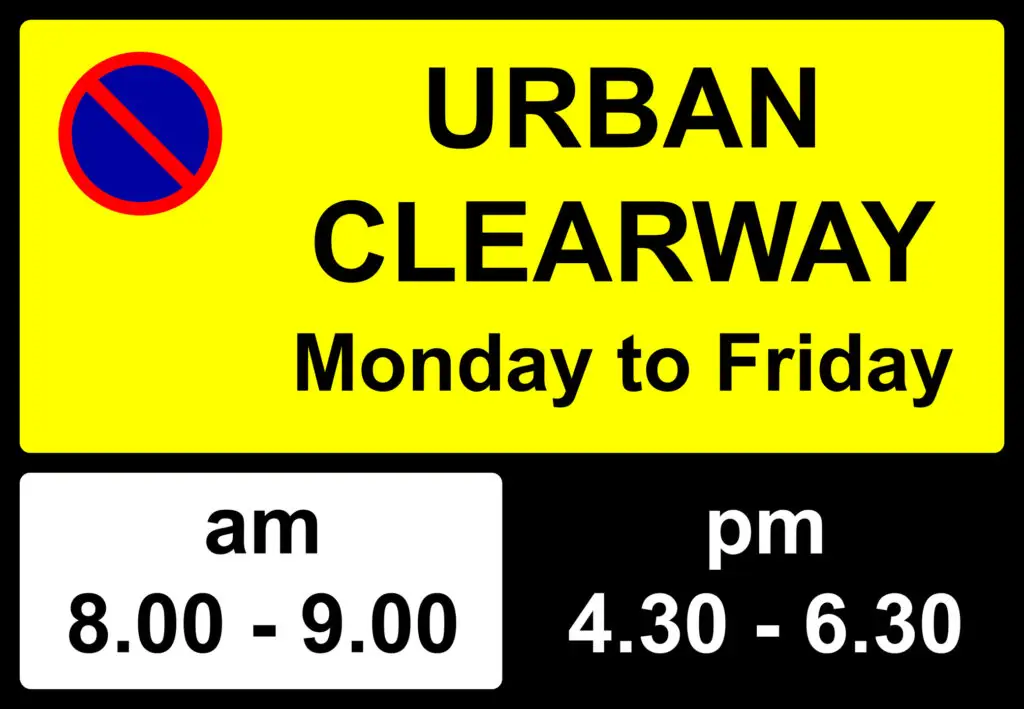
An Urban Clearway is slightly different. It’s used in towns and cities, usually during busy times of the day, to keep traffic moving smoothly. Urban clearways are designed to facilitate the rapid movement of vehicles in areas where congestion is common, such as during peak commuting hours. They play a vital role in ensuring that traffic flows as efficiently as possible in urban environments.
- The sign: A white rectangular sign with the no waiting symbol (blue circle, red border, single red diagonal line) and the words Urban Clearway, plus times of operation.
- The rule: You can’t park or wait during the times shown – but you can stop briefly to pick up or drop off passengers.
- When it applies: Only during the times stated on the sign. Outside those hours, normal parking rules apply (unless other restrictions are in place).
Think of it this way: Urban Clearway = no waiting around, but quick passenger stops are fine.
During the specified times, you cannot park or wait. However, brief stops to pick up or drop off passengers are permitted, which provides a degree of flexibility not found in regular clearway regulations. For example, if you are picking up a friend in a busy urban area, you can do so briefly without facing penalties, as long as you adhere to the specified times. This makes urban clearways a practical solution for maintaining traffic flow while accommodating necessary passenger movement.
Key Differences at a Glance
The signs for urban clearways are distinct: a white rectangular sign featuring the no waiting symbol (a blue circle, red border, and single red diagonal line), accompanied by the words Urban Clearway and the times of operation. This signage informs drivers of the specific hours during which the restrictions apply, making it easier for them to comply with the regulations.
| Feature | Clearway 🚫 | Urban Clearway 🚫✔ |
|---|---|---|
| Stopping | Not allowed at any time | Allowed briefly for passengers only |
| Parking / Waiting | Not allowed at all | Not allowed during restricted times |
| Applies | Usually 24/7 (unless time plate) | Only during times shown on sign |
| Sign | Blue circle, red border, red “X” | White rectangular sign with “Urban Clearway” + time plate |
BACK TO ALL DIFFUCULT THEORY TEST QUESTIONS EXPLAINED
Understanding the distinctions between a Clearway and an Urban Clearway is essential for all drivers. Below is a quick comparison to help clarify the differences:
Comprehending the rules surrounding Clearway or Urban Clearway can be the difference between a smooth journey and unnecessary delays.
As you prepare for your driving theory test, remember that understanding the implications of these regulations can significantly impact your performance. The knowledge gained here will assist you in navigating roads safely and efficiently, benefiting both you and your fellow drivers. Emphasising the importance of road safety, clearways and urban clearways play crucial roles in reducing congestion and enhancing overall traffic management.
To summarise, both clearways and urban clearways serve important functions in managing road traffic. Clearways maintain order on major roads by prohibiting all stopping, while urban clearways allow for limited stopping to facilitate the drop-off and pick-up of passengers. Knowing the rules for each will not only help you in your driving theory test but also make you a more responsible driver.
Ultimately, Clearway or Urban Clearway regulations are essential for ensuring traffic flows efficiently, and it is vital for drivers to understand these distinctions.
In conclusion, understanding Clearway or Urban Clearway regulations not only aids in passing your driving theory test but also cultivates a sense of responsibility on the road.